Vagas Celulose is an independent job search aggregator. We may earn a commission when you click through.
The Truth About Manufacturing Jobs: Myths Debunked
Challenge assumptions and find the right fit for your skills.
Common Myths About Manufacturing Jobs
Manufacturing jobs often come with misconceptions that prevent potential workers from pursuing them. Let's debunk these myths and highlight the realities of working in this field.
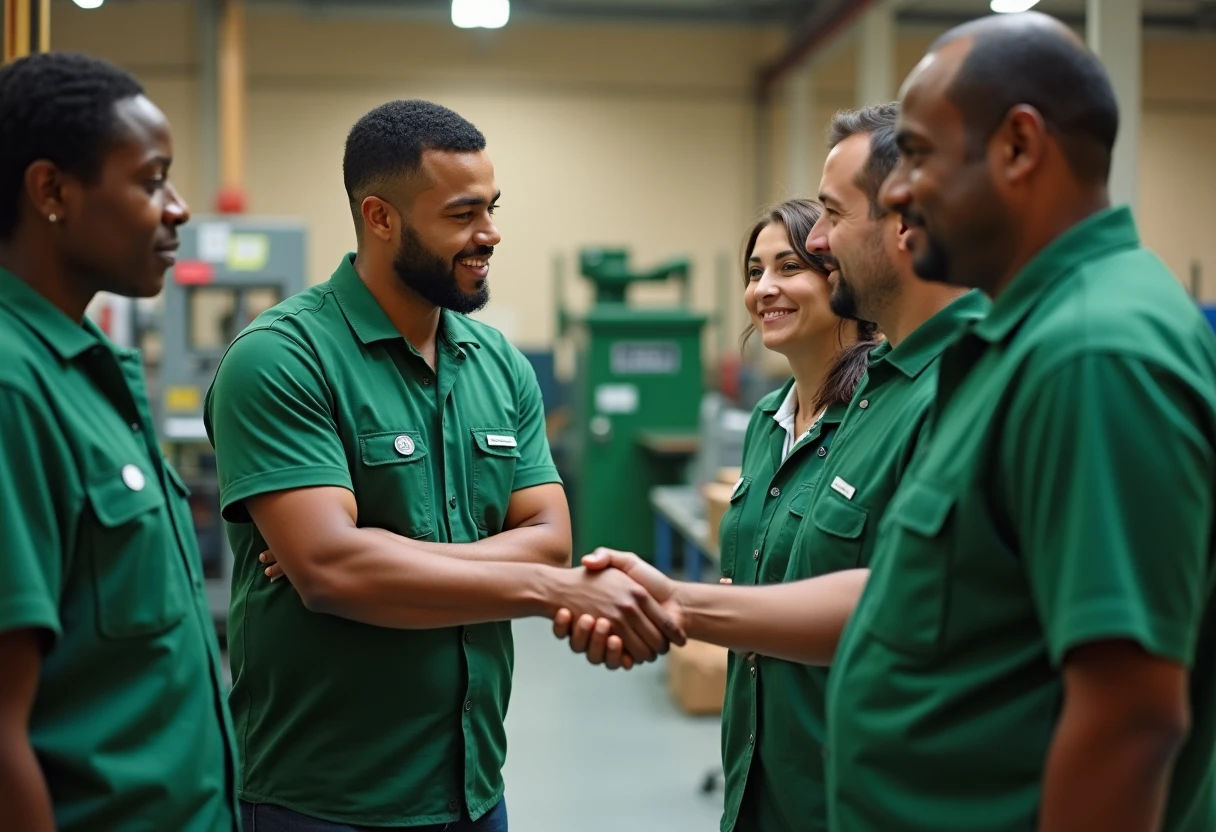
Myth: Manufacturing Jobs Are Low-Paying
The assumption that manufacturing jobs don't pay well is outdated. In reality, many positions offer competitive salaries. For example, a Junior Millwright at Coricraft in the Epping Factory can earn a decent wage with benefits. The role is worth considering because it provides stable employment and the opportunity to learn valuable skills.
Junior Millwright
The draw here is the stable salary and benefits package that comes with the Junior Millwright position. While it requires some technical knowledge, the job offers a solid foundation for career growth.

Myth: You Need a Degree to Work in Manufacturing
Not all manufacturing jobs require a formal degree. Many roles, such as an Operator in Roll Forming, prioritize hands-on experience and on-the-job training over academic credentials. This makes the industry accessible to those willing to learn and grow within the company.
Roll Forming Operator
You'd pick this if you're looking for a position that values practical skills over formal education. The Operator role is a good starting point for anyone eager to enter manufacturing without a degree.

Myth: Manufacturing Work Is Always Physically Demanding
While some manufacturing roles require physical labor, not all positions are labor-intensive. For instance, a Production Administrator role focuses more on organizational skills and less on physical tasks. This can be a great fit for those who prefer a balance between desk work and light physical activity.
Production Administrator
What sets this apart is its focus on administrative tasks, making it suitable for those who excel in organization and management.

For those seeking more specialized roles, the next section covers opportunities that require specific technical skills.
Specialized Manufacturing Roles
These positions often demand a certain level of expertise but offer rewarding career paths and competitive salaries.
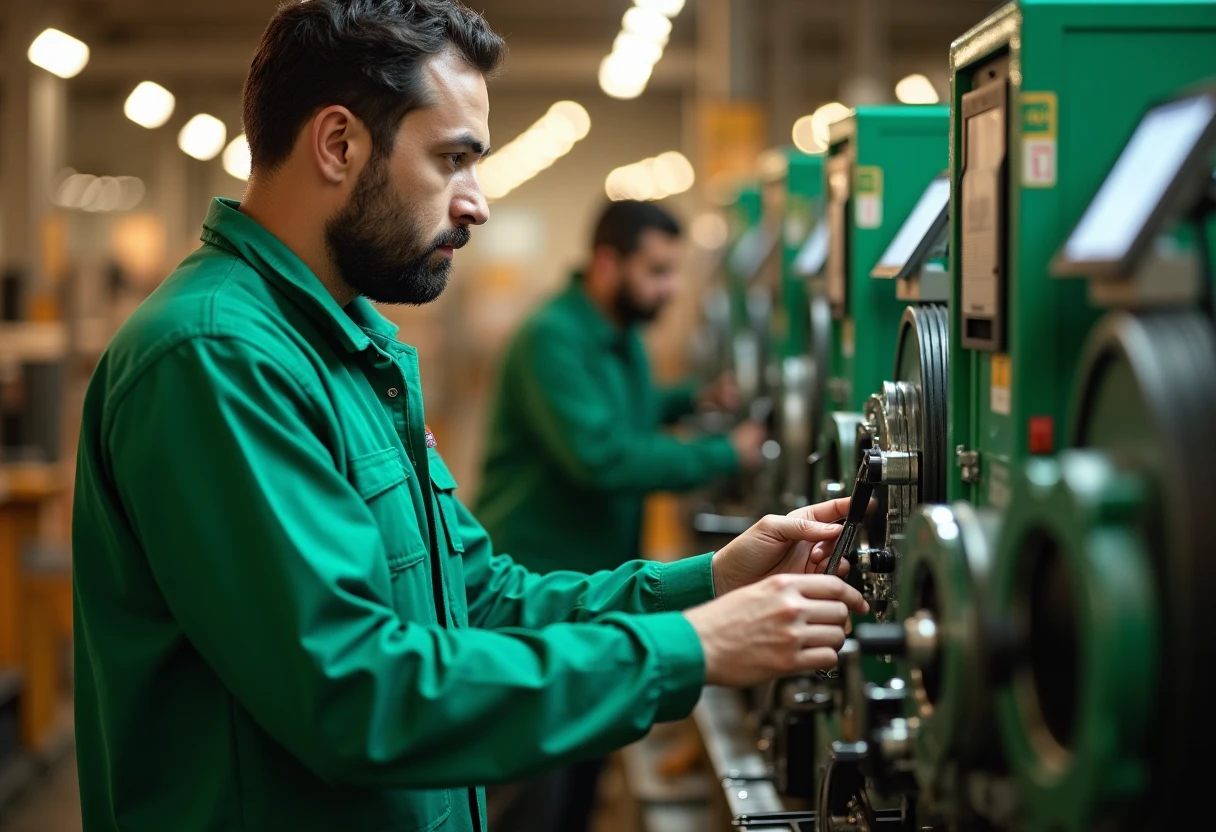
Industrial Installation Technician
The trade-off in this role is the need for technical skills, but it compensates with a competitive salary and opportunities for advancement.

Junior 5 Axis CNC Operator
Worth considering because the Junior CNC Operator role offers a path to develop precision skills critical in manufacturing.

As we've seen, manufacturing jobs are diverse and offer numerous benefits. It's crucial to match your skills and interests with the right position.
What Actually Matters
When considering manufacturing roles, focus on the skills you bring and the opportunities for growth and stability. Speaking of opportunities, check out our Myths About Warehouse Jobs Debunked for more insights.